
Observation, not a diagnosis
Signs of stress in dogs and cats
A yawn, a stretched paw, or a skipped meal can be ordinary things. This page helps you note a change against the animal in your house. It does not make a diagnosis and it does not tell you which treatment to buy.
Published · Updated

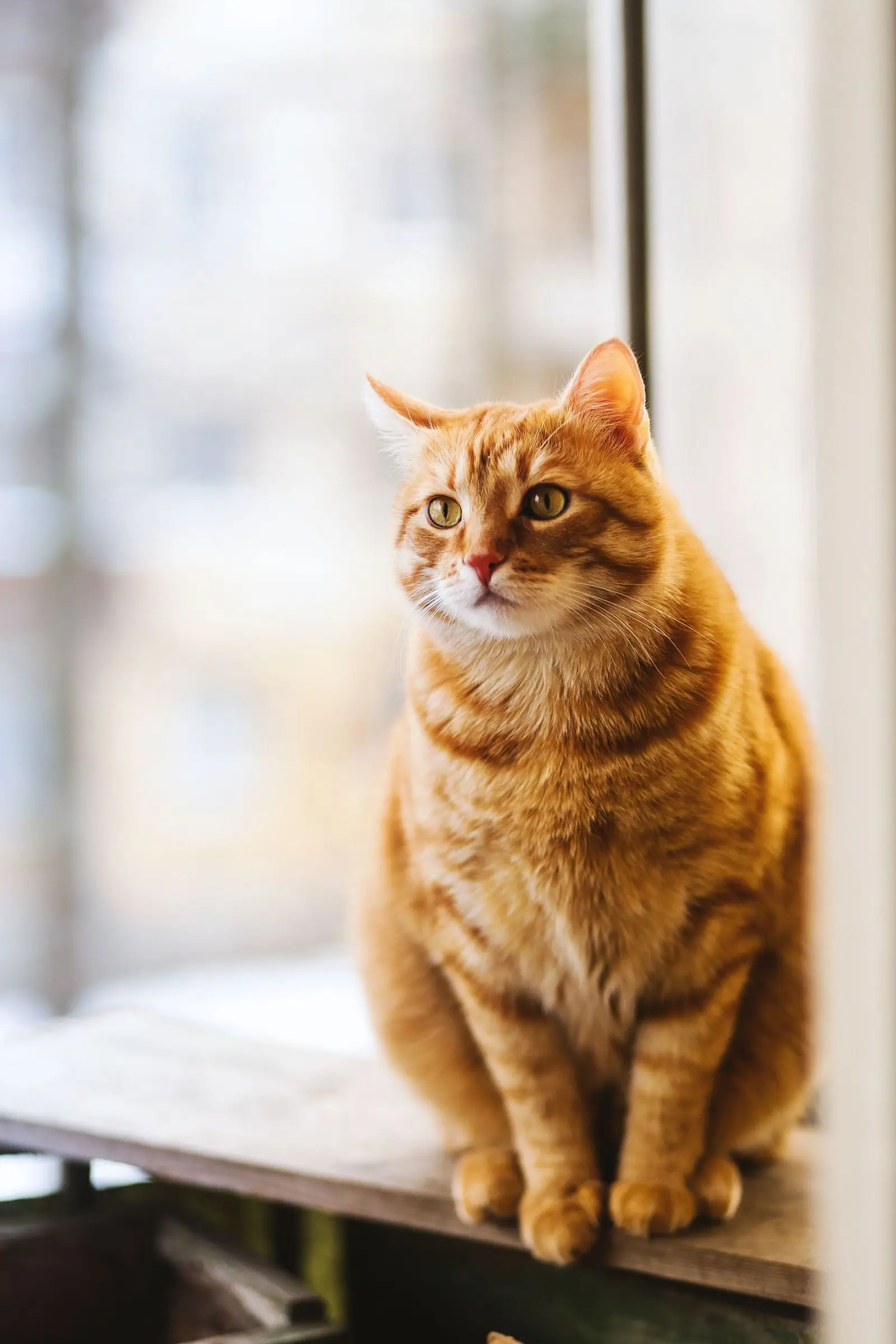
In a dog you can notice
- Walks the same route through the house, without lying down.
- Pants while standing, in a cool room, without having run.
- Licks one paw for a long time, until the skin reddens.
- Holds the ears flat, the tail tucked, and refuses a walk they knew.
- Startles at sounds that did not move them yesterday.
- Eats visibly less than on their ordinary days, not only at one meal.
- Avoids a room they usually entered.
In a cat you can notice
- Stays under furniture for more hours than was their way.
- Washes one spot until the fur thins.
- Urinates outside the litter box, even though the box is cleaned as before.
- Holds the ears to the side, flicks the tail in short movements, and has wide pupils in ordinary light.
- Stops the play they used to start on their own.
- Hisses at a person they knew.
- Comes to the bowl less often, and the bowl stays nearly full.
A single sign does not close the subject
Compare with this animal's own week, not with a dog seen in the park or a cat in a clip. That is why a sentence written in the evening, as described in the daily routine, makes the list above usable. Without a reference, every behavior looks “new.”
Changes in the house that often coincide with an unsettled period: construction, guests, a second animal, a walk schedule that moved, a strong smell of detergent, a door that slams. Coincidence does not prove the cause. It tells you what to mention if you call the clinic.
What you can change in the house, without calling it a remedy
- Keep mealtime and quiet time close to the ones they know.
- Leave a place from which the animal can leave the room without being followed. More ideas are in the predictable house.
- Do not insist on holding them so they “calm down.”
- Turn down a single source of noise, for example a speaker beside the bed.
- On a hard day, a walk route they already know is clearer than a new, crowded place.
When you call a clinic, not this site
Call the veterinarian if you see labored breathing, repeated vomiting, blood, collapse, a belly that swells suddenly, a cry when touched, or a paw the animal will not put down. In cats, a full day without eating at all is worth a conversation with the clinic, because they cannot wait as long as an adult dog that skipped a meal. We do not give a number of hours here that is valid for every age.
New aggression, which was not there last week, is also a reason for the clinic, not for interpretation by message. petlostboost does not read symptoms. If you want to correct this page, write to the address on contact. If the animal is missing from home, the practical order is in first hours, and the description you give a neighbor is in the profile.
How you note seven days, without putting labels
Choose three things you already see in this animal: the meal, the place they sleep, and one gesture (licking a paw, staying under the bed, refusing the walk). Each evening you write one sentence: “ate as yesterday,” “stayed under the bed all afternoon,” “went out for the walk, but stopped at the corner.” After a week you have a reference. Without it, every day looks special.
Do not turn the note into a score. There is no number of signs at which it “becomes stress.” If blood, repeated vomiting, or a paw they will not put down appeared on those same days, do not wait for the week to fill up. Call the clinic and take the notes with you, so you can say what changed, not so you can receive a diagnosis from a list.
Guests, construction on the landing, a new detergent, or a second animal can coincide with an unsettled period. Coincidence does not prove the cause. It is a detail the veterinarian may ask about, along with age and any treatment already in place. Do not stop a treatment started at the clinic because a page on the internet talks about quiet.