
Water within reach
In summer the bowl empties faster and stays in the shade. In winter, outside, water freezes: the animal drinks in the house, before and after going out. There is no single amount. You compare with their own week.
Four chapters
The season changes the asphalt, the water, the doors, and the noise. It does not, by itself, change the food dose and it does not turn a note here into a rule for every breed. Choose the chapter that is outside right now.
Published · Updated
Doors stay open longer, and shedding fills the comb. If the animal accepts the brush, use it. If not, do not turn brushing into a confrontation. Fur on the floor is not, by itself, a sign of illness. A patch where the skin shows suddenly, yes — and then you call the clinic, you do not look for a lotion on the site.
After grass, look at the ears, the neck, and between the toes. Ticks and fleas are looked for. We do not recommend a product and we do not give a percentage of protection. If you find an attached tick and you have not already been shown how it is removed on this animal, let the clinic do it. Do not put oil on it, do not burn it, and do not twist it at random.
The door habit, from the page about the house, matters more in the months when you air the rooms often.
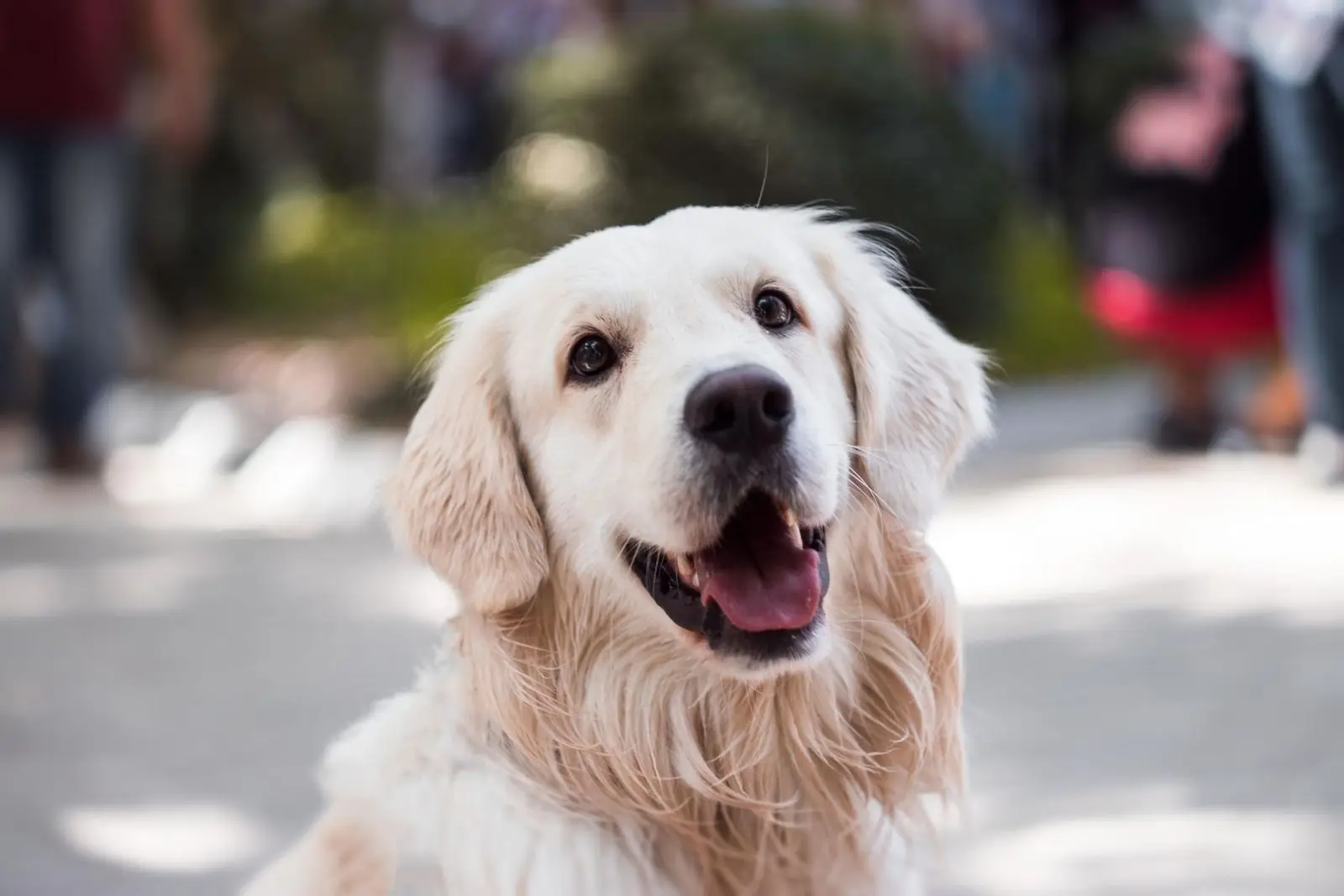

Put the back of your hand on the asphalt. If it is too hot for you, it is the same for the paw pads. Move the walk to early morning or evening and take water for the trip. Shade on the route matters more than its length.
Do not leave an animal in a parked car. The cabin heats up even when it does not seem extreme outside, and a crack at the window does not change that fact. There is no “just five minutes” for us to publish here.
Water in the bowl at home is changed more often when the room is warm. A dog that pants after play, in the shade, may settle. One that pants while lying down, with gums of an unusual color, or that does not get up, needs a clinic, not an article. See also the threshold described under signs of stress.
Wet leaves hide shards and chestnut burrs. In the dark, a light-colored collar and a light on you, not only on the animal, make you visible. Fireworks start in the evening: close the windows, put the tag on if the animal wears one, and do not take them to the display “so they get used to it” in a single night.
If it thunders and the dog is unsettled, stay in a known room. Do not force them outside at the height of the storm if they pull toward home. A door opened in a panic is a reason to reread first hours and to have the profile within reach.
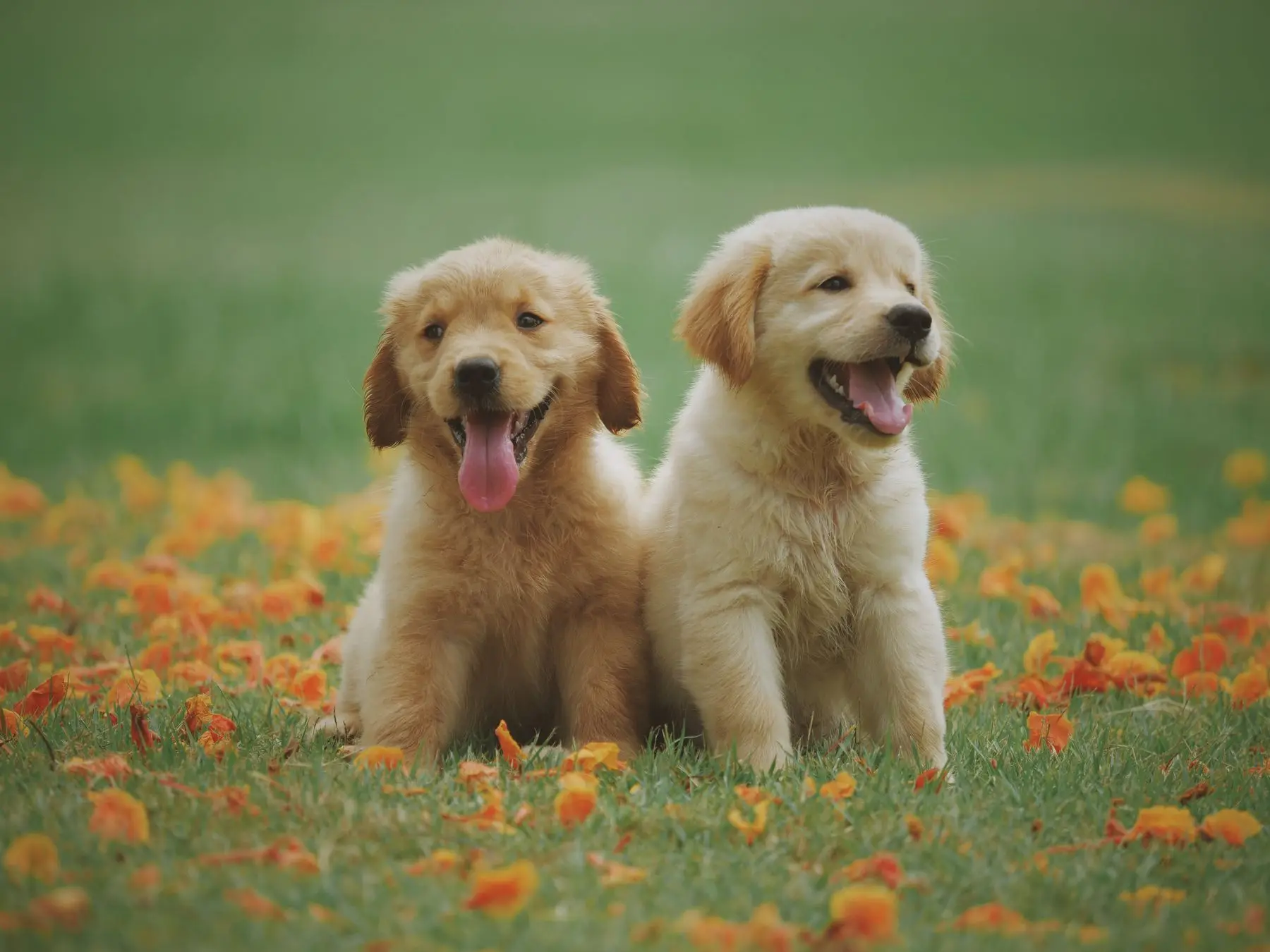
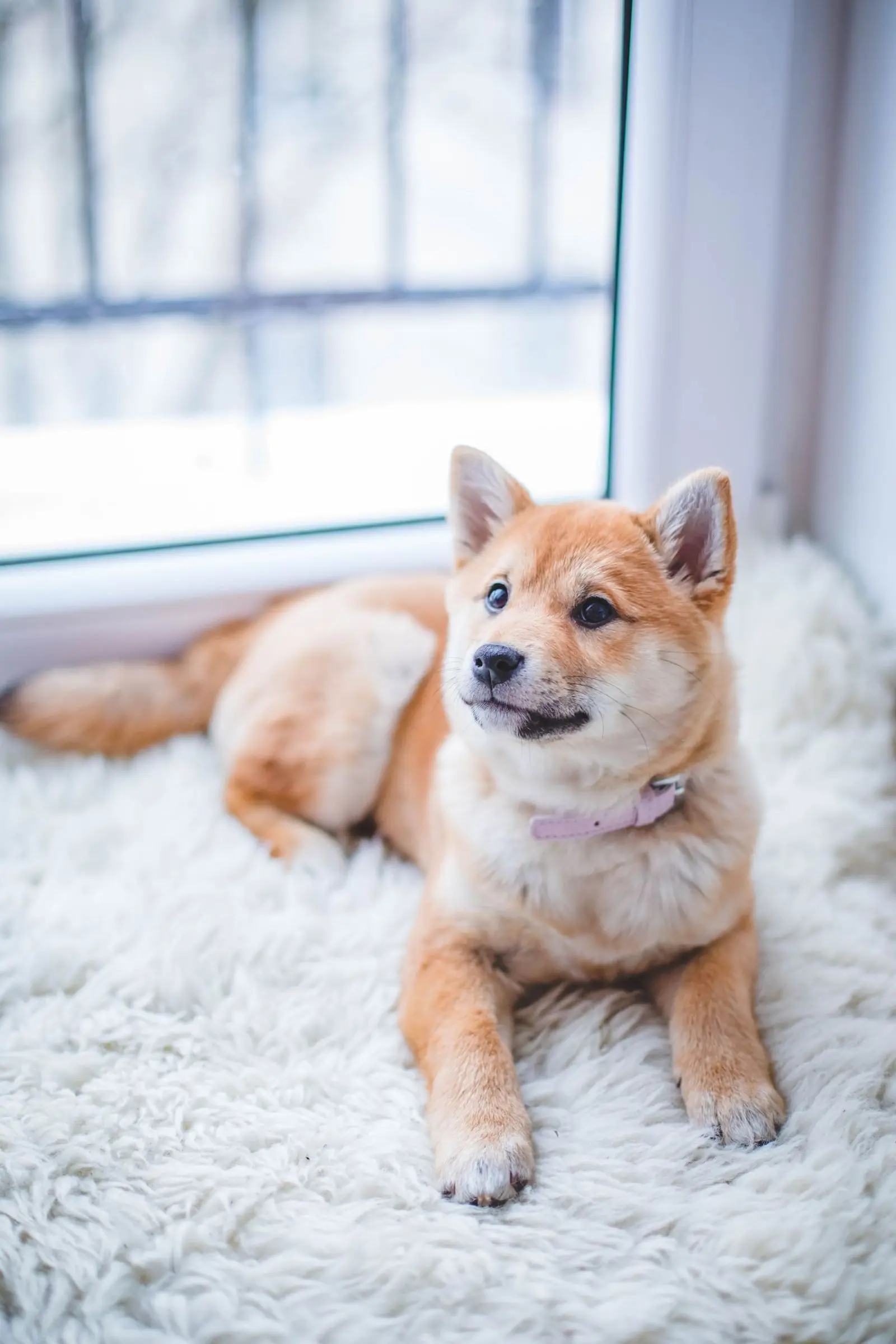
Salt and anti-slip materials on the sidewalk irritate the paw pads of many dogs. Wipe the paws at the entrance, including between the toes. We do not name a brand. Short-coated dogs shiver sooner. A coat can help some of them. Not every dog needs one. Look at the shivering and at whether they still want to walk, not at a degree rule we do not publish.
Many households keep cats indoors when it is freezing. If the cat goes out, short trips and an open way back are clearer than a door that closes by itself. Antifreeze has a taste that attracts and it is dangerous for dogs and cats. It stays closed, and spills are wiped up. If you suspect the animal licked it, call a clinic as an emergency. Do not start a home treatment from this text.
In every season, mealtime stays a reference. What the day looks like indoors is in the daily routine. The collar that shows on snow is taken up again under identification.
In summer the bowl empties faster and stays in the shade. In winter, outside, water freezes: the animal drinks in the house, before and after going out. There is no single amount. You compare with their own week.
In any season, a dog or a cat can climb into a car left open or hide under it. Before you leave, look in the cabin and under the car. In summer, the cabin heats up quickly. Do not leave the animal in the car “for a minute.”
Storms, fireworks, and construction sites do not belong to a single calendar. Close the windows you can close, leave a withdrawn place, and do not force the animal to “get used to it” by staying with them on the balcony. If they disappear during the noise, follow first hours.
Paw pads are checked after hot asphalt, after salt, and after a long walk on gravel. Redness that does not pass, limping, or a sore are not treated from this text. Call the clinic and say what they walked on. A coat, a cream, or booties are choices you discuss there, not products we sell.