petlostboost Guides to keep close

Household

A more predictable house for the animal

Predictable means the door, the window, and the bowl stay the same way from one day to the next. It does not mean a house without risks and it is not a certification. These are checks you can do without buying anything from this site.

Published · Updated

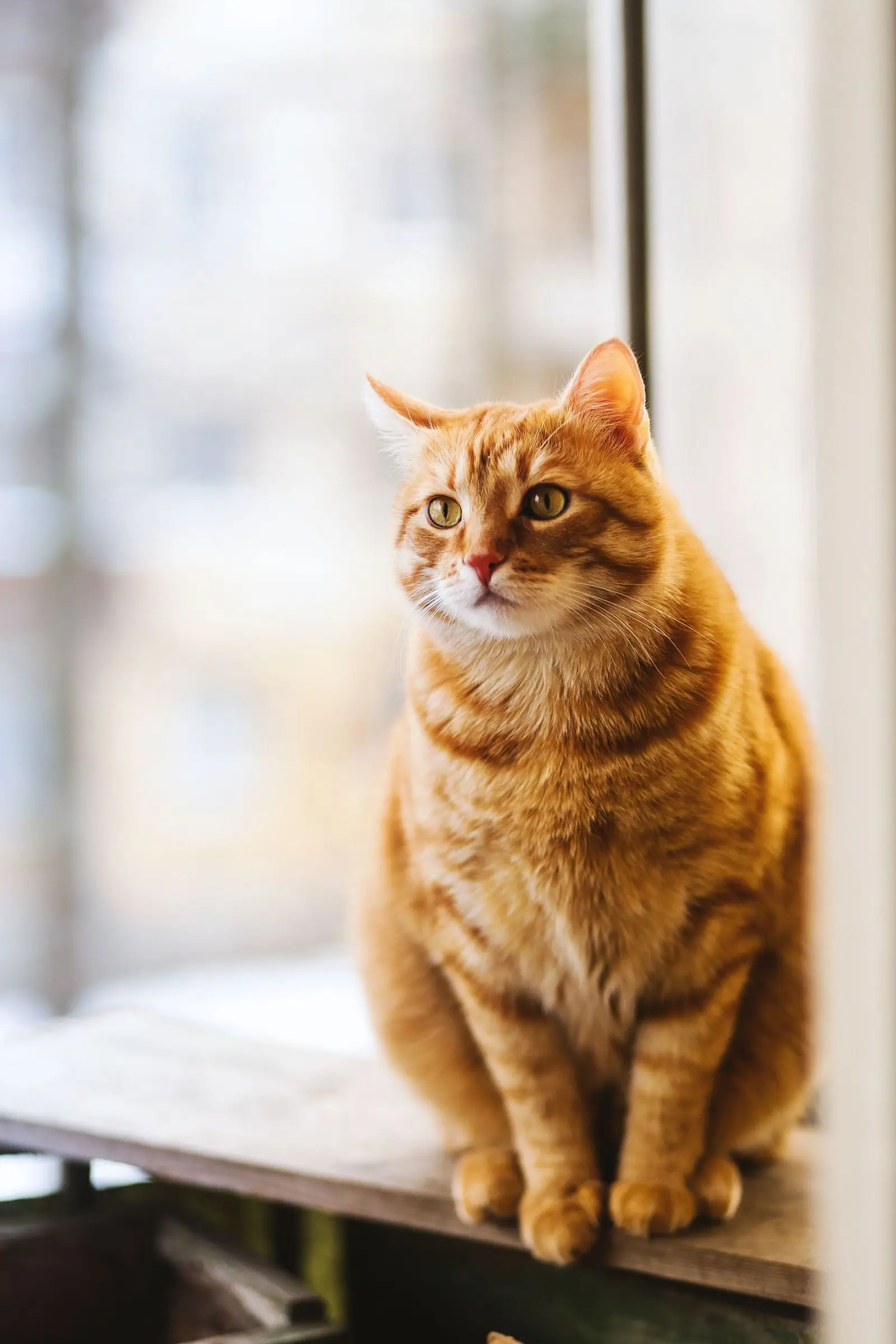
An orange cat sits on a sill and looks toward a window open to the outside.

01

The window and the balcony

A window left in the tilt position is a place where a cat can get stuck or fall through. Before you leave, close the sash or leave it wide open, with a grille you have checked, not halfway. A balcony without a screen is not a place for a cat to stay, even if until today they sat quietly on the sill.

The screen is checked at the corners and the frame, not only from a look at a distance. A pot on the railing falls, and it startles and injures. Move it down.

02

The door, in its order

Before you open the front door wide, look at the landing or the yard. If the animal already has a place where they wait — a mat, a cue you taught — use it. If they do not, do not invent a training plan from this page. Simply do not open the door with the bag in front of you and your eyes on the phone.

In spring and fall the doors stay open more often. That is when the habit is worth repeating, together with the notes in seasons. If the animal still gets out, the profile in the drawer should already be written. See the sheet.

A dog sits in a yellow armchair, in a quiet room.
An armchair can be their place. What matters is that they can also leave the room, not only that they have a soft object.
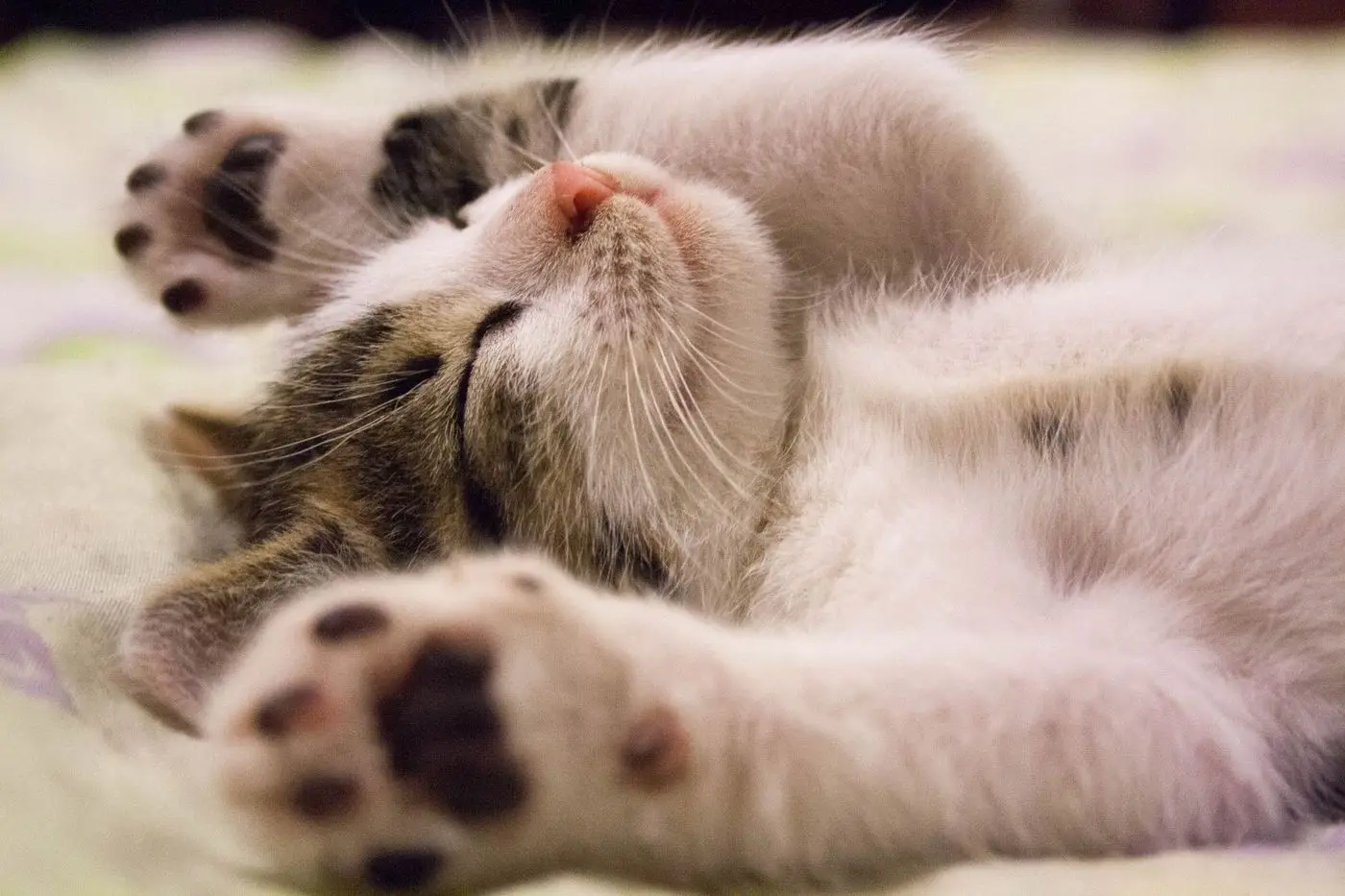
A kitten sleeps on its back, paws raised, on a light-colored blanket.

03

The place they withdraw to

A bed placed in the middle of the traffic is not a refuge. Leave an area — under a desk, in a room with the door ajar — where they are not picked up when guests have arrived. Do not follow the animal to pull them out “to say hello.”

The carrier can stay open in the room, with a blanket inside, on ordinary days. Then it does not appear only on the morning of the trip to the clinic. We do not promise that fear of the trip disappears. We only say that the object is no longer exclusively the sign of a departure.

The kitchen, thread, and plants

What is easy to swallow

Thread with a needle, a hair elastic, string from a roast, and toys broken into small pieces end up in the stomach, especially in cats. Thread is dangerous precisely because it looks soft. Put it away after sewing. Do not leave it on the arm of the sofa.

Foods clinics often warn about

In dogs, chocolate, grapes, raisins, onion, and products with xylitol, such as some gums and some peanut butters, are mentioned often. The list in your house may be different. Ask the clinic about a specific product. Do not use this paragraph as a complete inventory.

Lilies and cats

Lilies of the genus Lilium are described by veterinary sources as dangerous for cats, including the pollen and the leaves. If a cat lives in the house, such flowers have no place in their rooms. Other plants differ. Confirm the pot you have. Do not assume that “green” means harmless.

Cables are gathered behind the furniture. The burner does not stay on when you leave the kitchen. Detergents stay closed, not in the bucket on the floor. Antifreeze and other car fluids are not left in the garage in an open tray; if you suspect the animal licked antifreeze, call a clinic immediately. We do not give a home remedy.

At night, a small light in the hall helps you see whether a door to the outside was left open. It is for you, not for the animal. What a day looks like in this setting is in the daily routine. If the door was open anyway and the animal is not in the house, go to first hours.

A short round, room by room

It does not have to be done every hour. Once a week, or when you leave for a few days, is enough to see what has moved. The checks below are for your house, not a score.

Hall and entrance

Does the door close by itself or stay on the latch? The mat does not block closing. The leash and collar stay where you can find them even when you are in a hurry. A bag left in the doorway holds the door open longer than you think.

Kitchen

The trash can has a lid, or the cat tips it over. String, bones, and onion scraps do not stay on the counter at muzzle height. The burner is off when you leave. The water bowl does not sit next to detergent.

Bedroom and bathroom

Hair elastics and thread do not stay on the nightstand. The toilet lid matters if the cat drinks from it: some cleaning products have no place in their bowl. Medicine on the nightstand stays in the drawer, not beside the pillow.

Balcony and windows

The screen holds at the corners. The tilted window is closed before you leave. Heavy pots stay down. If the cat is allowed on a sill, they also have a way down, not only a jump toward the outside.

The round does not replace veterinary advice about a particular plant or a product in your house. If you do not recognize a plant, ask the clinic before you assume it is “only decor.” For signs that appear after a change in the house, open signs of stress.