
Three different objects
The collar, the tag, and the microchip do not do the same job
One is seen. One is read. One is scanned at a clinic or a shelter and does not show where the animal is. They are worth remembering separately, so you do not look on the phone for a map that does not exist.
Published · Updated

01
The collar
A check often used at home is to slip two fingers between the collar and the neck. If it spins so loosely that the animal can slip out of it, or if they cough when they wear it, ask the clinic or the person who fitted it. A thick coat and a short coat do not sit the same way under the same buckle. There is no single measurement for every animal.
For cats, collars that release if they catch on a fence or a branch are often used. A dog usually has another type. Do not put a dog collar on a cat only because it looks sturdier. Read what the product says.
Once a month, look at the stitching, the ring, and cracked plastic. In winter, a light-colored collar shows better on snow; in summer, a dark one shows on asphalt. It is a practical detail, not a color rule. The change of season is taken up again in the season notes.
02
The tag
A tag fits few useful things: the animal's name, a phone that is answered, and the city. A second number helps when the first person is traveling. A home address tells a finder where to come and, at the same time, shows where the animal lives. The household chooses, with that tradeoff stated plainly. There is no version without a cost on one side or the other.
Engraving wears off. Read the tag in the light twice a year. If the phone number can no longer be made out, the tag is no longer doing its job, even if it hangs nicely.
An identification tag is not the same thing as a vaccination tag. Local rules differ and we do not interpret them from here. Keep the booklet where you already keep the papers and ask the clinic what the tag in your city means.
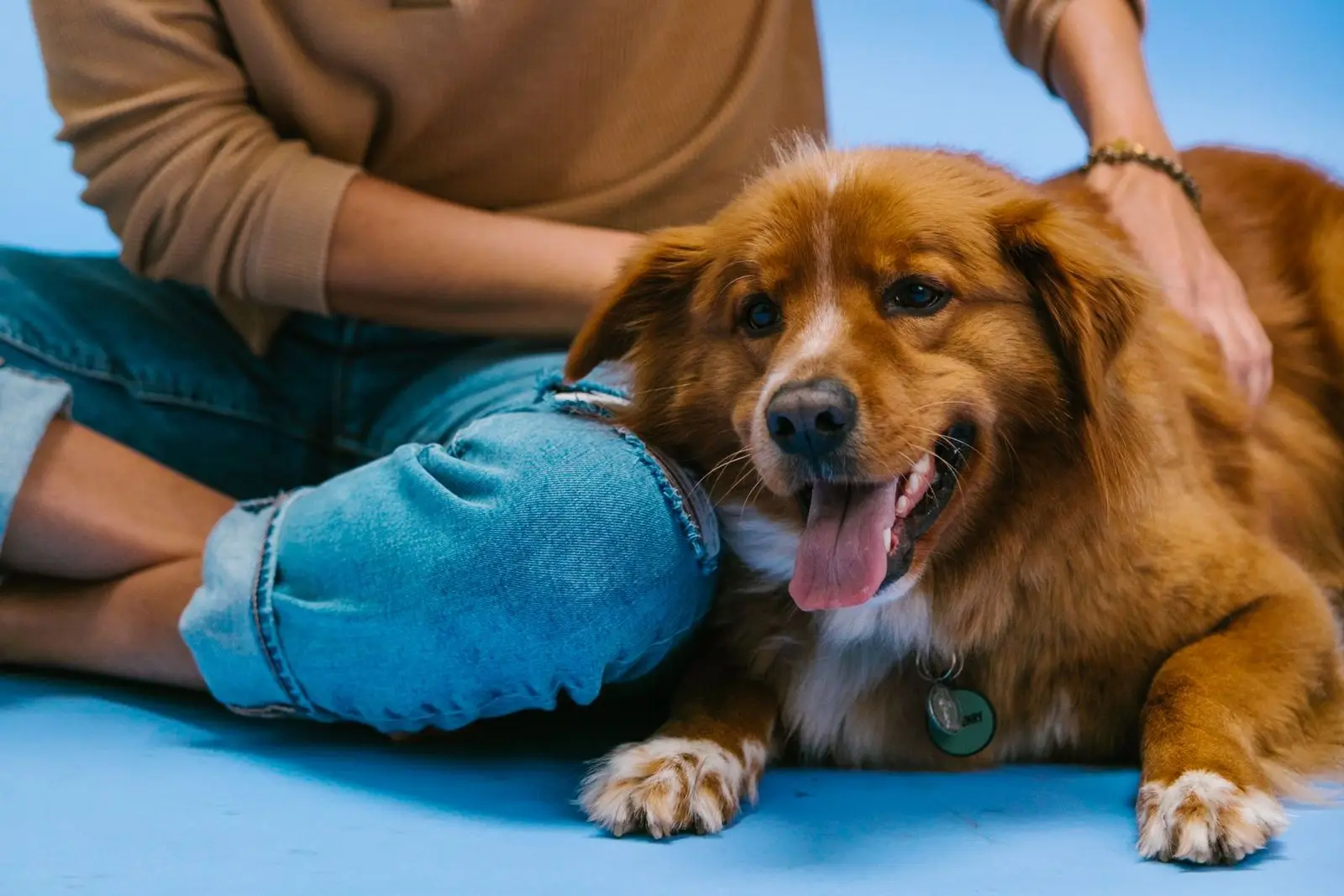
03
The microchip
A microchip, sometimes also called a microchip on the clinic's papers, is a number read by a scanner. It does not send a position to a map and it does not replace a walk in which you look for the animal. The number helps only if a person's name and a phone that is answered are current in the registry.
Registries are not all the same. Ask the clinic for the number in writing and note where you were told to update the details. After a move or a new phone, the update is a separate step from the fact that the chip is already under the skin. If you do not know whether there is a chip, a clinic can scan for it. We do not scan animals and we do not register them.
Keep a photograph of the paper next to the pet profile. In the example below, the digits are illustrative and do not belong to an animal.
Example, not a real number
000 000 000 000 000

What is worth checking twice a year
- Can the phone number on the tag be read, in the light, without guessing the digits?
- Is the collar neither loose nor so tight that it leaves a mark?
- Is the microchip number written down somewhere other than the phone?
- Is the phone in the registry the one someone answers now?
If the animal is missing, these short answers save an hour of searching through drawers. The order for that hour is in first hours.
When the phone number changes
An old tag and an old registry give two different numbers. A finder calls what they read on the metal. The registry is used only if someone scans the chip. That is why both are updated, not only whichever is easier.
- 1. Write the new number on paper and check that someone answers it, including in the evening.
- 2. Change the tag or have it re-engraved. Tape over the old text peels off and is read wrong.
- 3. Go into the registry the clinic named and change the phone there. Keep the confirmation next to the profile.
- 4. Tell the person at the second number that they may be called. A number nobody answers does not help.
Cats lose the collar more often than dogs, especially if the collar releases when it catches. That is why the chip, where there is one, is not a whim: the tag can stay in a bush. The chip still does not show the street. It shows a number, and the number shows a phone only if the registry is up to date. How you use the description when the animal is not at home is in first hours and in the profile.