
petlostboost Guides to keep close

The house, not the clinic

What to keep within reach when a dog or a cat lives in the house

petlostboost is a set of household guides. Read them one at a time: what to write down if the animal is not in its usual place, what a description a neighbor can remember looks like, and what to notice on an ordinary day. There is no account, cart, or search request.

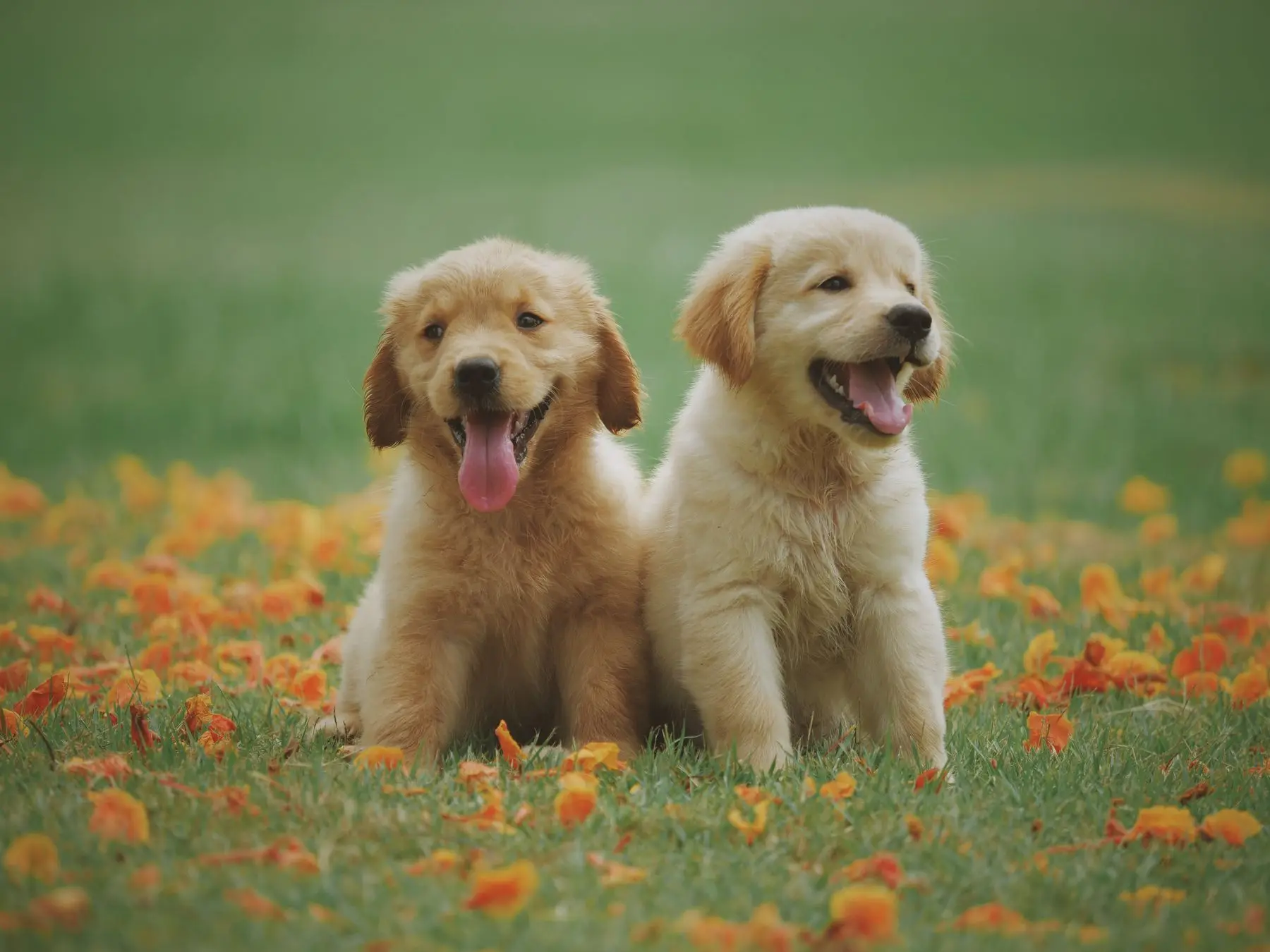
Two light-coated puppies sit in grass scattered with orange leaves.
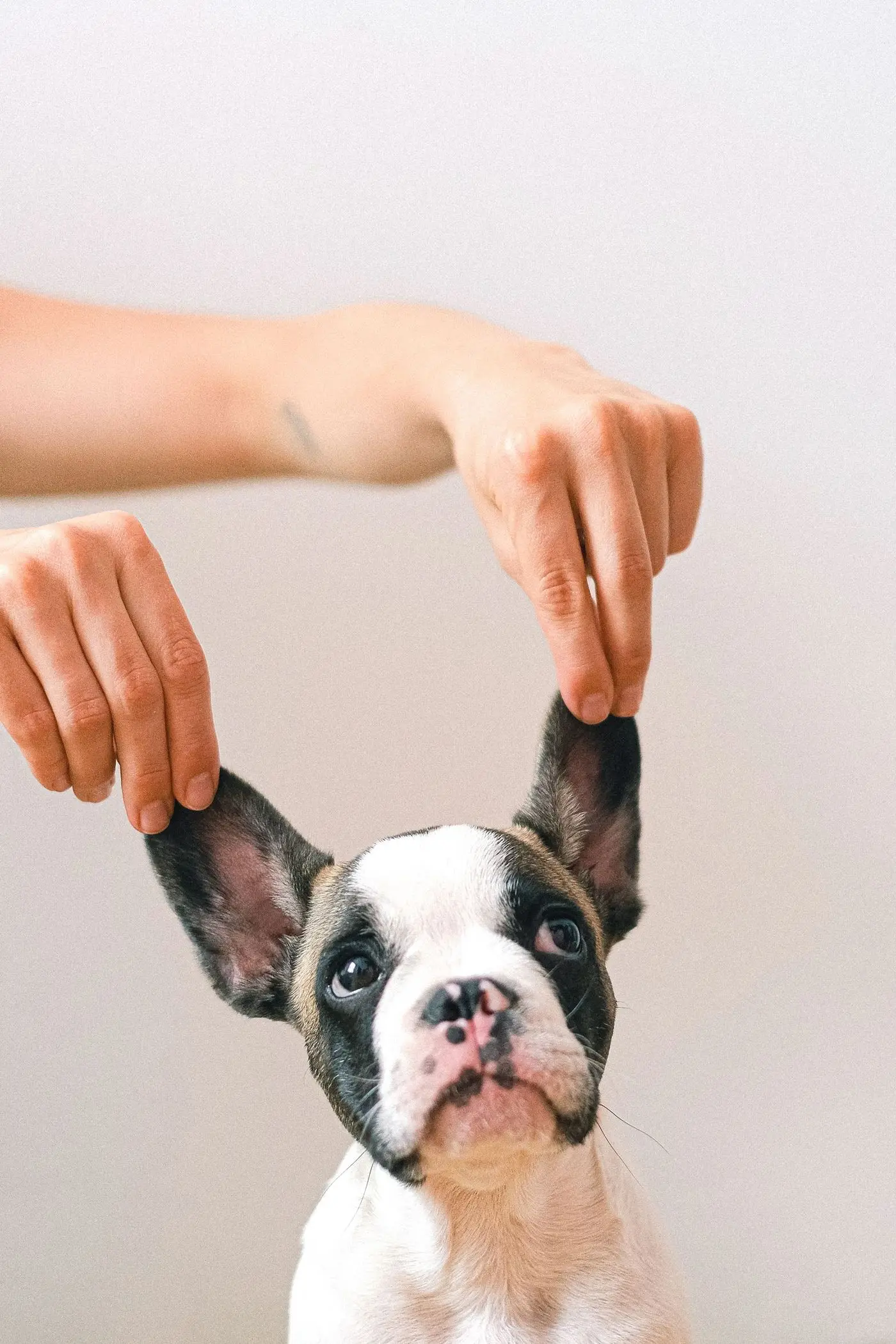
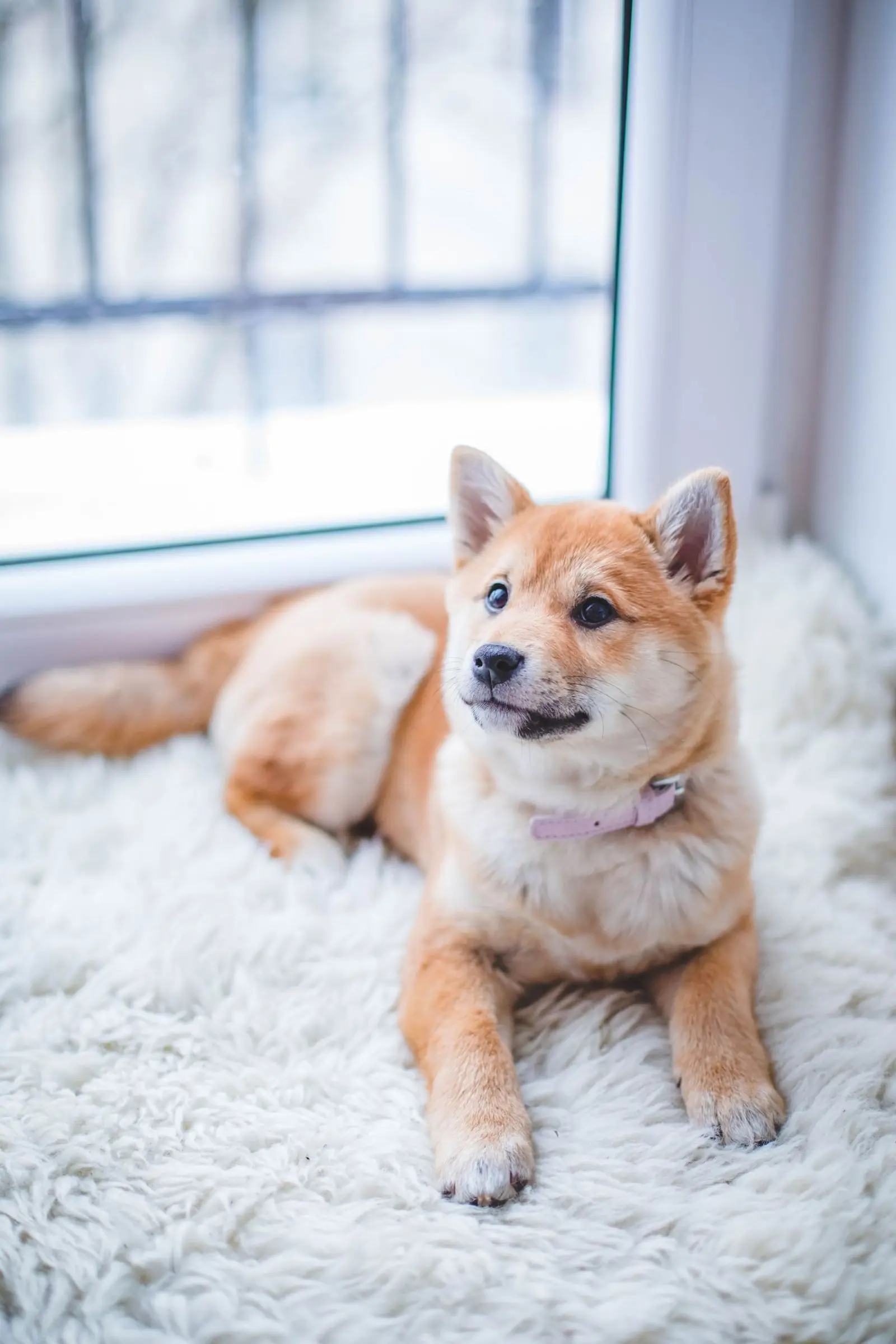
A picture for the wall, not a case. The animals in the photographs do not belong to a reader.
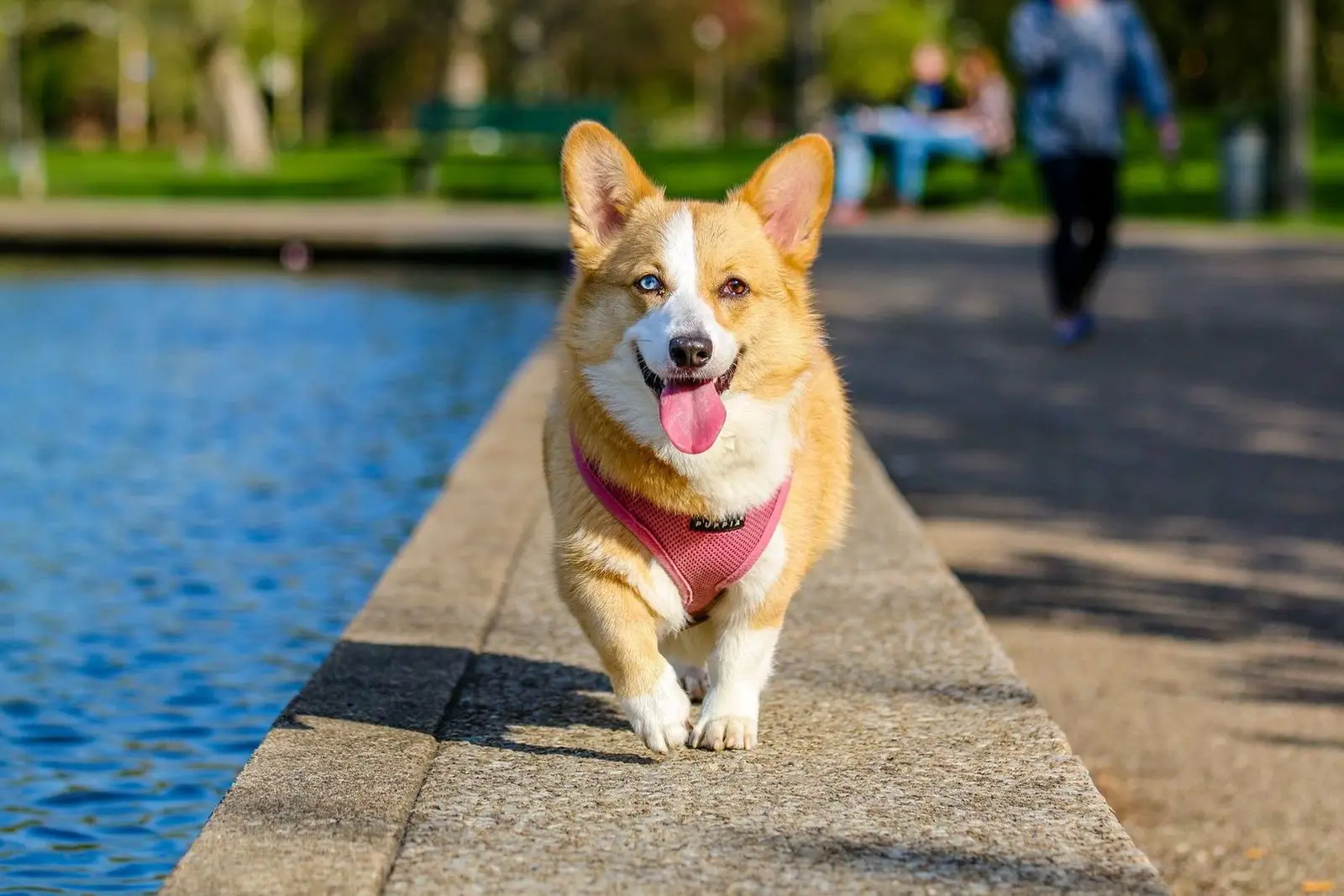
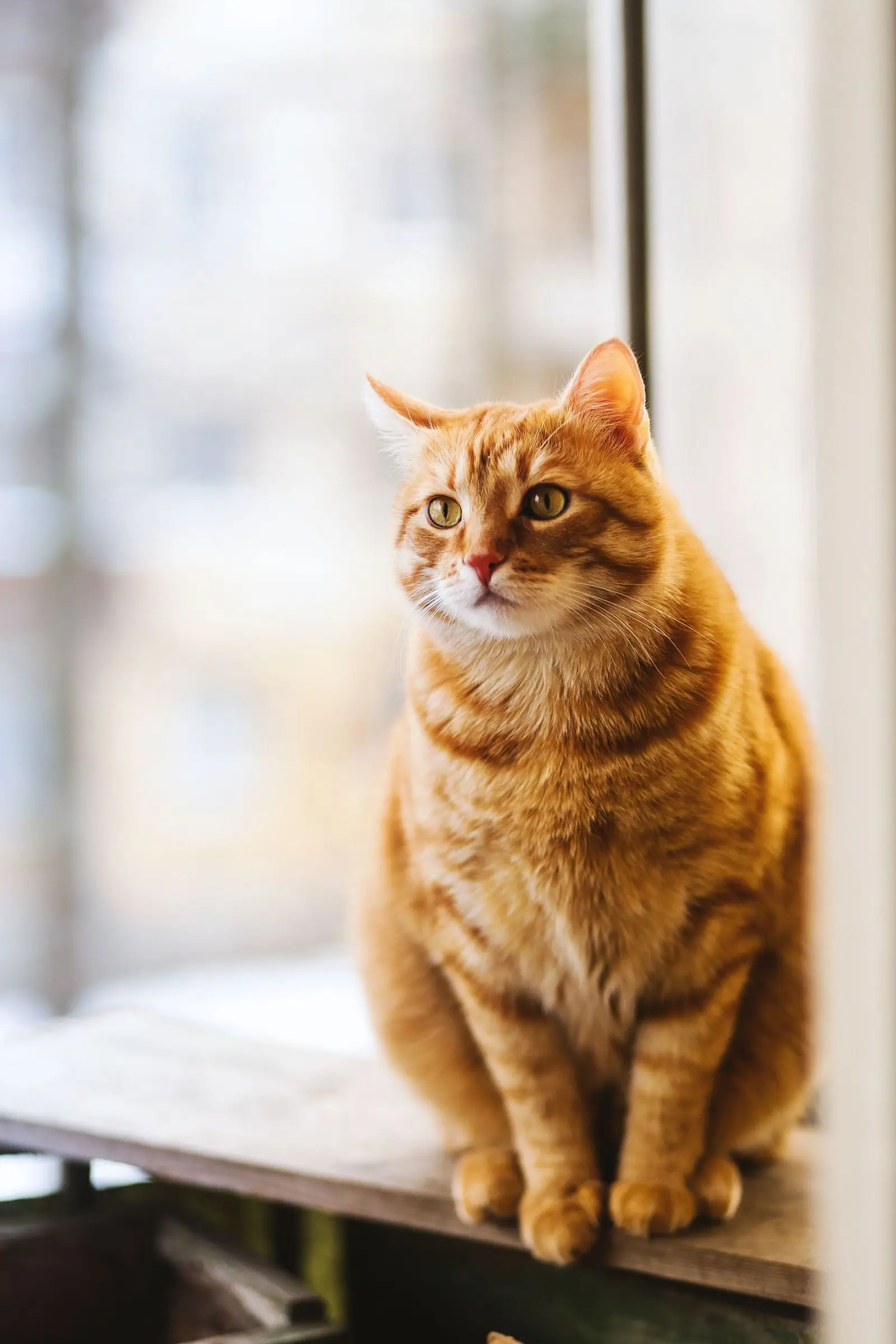
A golden-coated dog stands outside. Dog Leash, water, asphalt, and the door that closes behind him Routine, seasons, and signs are read on an animal that leaves the house. A skipped walk is not the same thing as a skipped meal. A cat sits on the sill and looks out the window. Cat Windowsill, litter box, and the cupboard it can disappear into A cat is often missing inside the house. The guide goes through the tilted window, the balcony, and the low places, before the street.

A walk through the house, not a list of tips

The longer pages on the site start from objects you already have. Below is the same thread, told briefly, so you can see where each guide opens.

01

The entrance

The door is not held open with a shopping bag. The leash stays where you can find it even when you are in a hurry. If the animal gets out, the profile in the drawer should already be written, not invented on the landing.

The sheet in the drawer
02

The neck

A tag fits a name, a phone number, and the city. Engraving wears off. A microchip is read with a scanner and does not replace metal you can see.

Collar, tag, chip

03

The bowl

The water gets changed. The amount is not a number from this site. You note whether they drink differently than in their own week. For a cat, an empty litter box in the morning says more than a glance in passing.

The thread of the day

04

The window

A sash left half open and a screen loose at the corner are places to check before you leave. A pot on the railing falls. Lilies do not belong in a cat's rooms.

The house, room by room
A dog stands in the snow.
Winter changes the paw pads, the salt on the sidewalk, and water that freezes outside.

The season changes the house, not only the picture

In summer, the asphalt and a closed car. In fall, the leaves and doors left open. In winter, the salt and the cold. In spring, the windows. The guide does not give a “safe” temperature for every breed. It says what to look at in each season, and when to call a clinic, not this site.

  • Paw pads after hot asphalt or after salt are looked at in the evening. They are not treated from an article.
  • A storm and fireworks do not belong to one calendar. The animal needs a room it can stay in, not a balcony “so it gets used to it.”
  • If they disappear during the noise, the order is in the first-hours guide, not on a season page.
Four seasons

Who keeps the site

The pages are published from Elmhurst, New York. For an unclear sentence, write by email. For the animal's health, call a clinic in your own town. The address here does not stand in for that clinic and does not start a search.

81-10 Broadway
Elmhurst, NY 11373
United States

+1 347 808 0545

[email protected]

Phone, email, address